May 20, 2026
No Comments
Clean streets and public spaces are essential for creating healthy and well-managed cities. However, rapid urbanization, increasing population, and growing public activity have significantly increased the amount of waste generated in outdoor areas. Roadsides, marketplaces, parks, bus stops, railway stations, and commercial zones often experience heavy littering when proper waste disposal systems are not available.
One of the simplest yet most effective solutions to this problem is the use of Roadside Dustbins. These waste collection units play a critical role in maintaining cleanliness and preventing litter from spreading across public areas. Properly placed roadside dustbins encourage responsible waste disposal habits and support organized waste management systems in urban and rural environments.
As cities focus more on cleanliness, sustainability, and public hygiene, roadside dustbins have become an important part of modern waste management infrastructure. Companies like Fiable Cleantech Limited provide durable and efficient roadside waste management solutions designed to support cleaner and healthier surroundings.
Littering is one of the most common urban sanitation challenges faced by cities and towns. Waste such as plastic bottles, food wrappers, paper cups, disposable containers, and other garbage is often discarded carelessly in public places.
When waste is thrown openly on roadsides or public areas, it creates several environmental and health-related problems. Streets become dirty, drains get blocked, foul odors spread, and pests such as flies and rodents increase rapidly. In many cases, unmanaged waste also contributes to flooding by obstructing drainage systems during heavy rainfall.
Apart from hygiene concerns, littering negatively affects the appearance of public spaces and reduces the overall quality of urban life. This is why efficient public waste disposal systems are necessary to maintain cleanliness and sanitation.
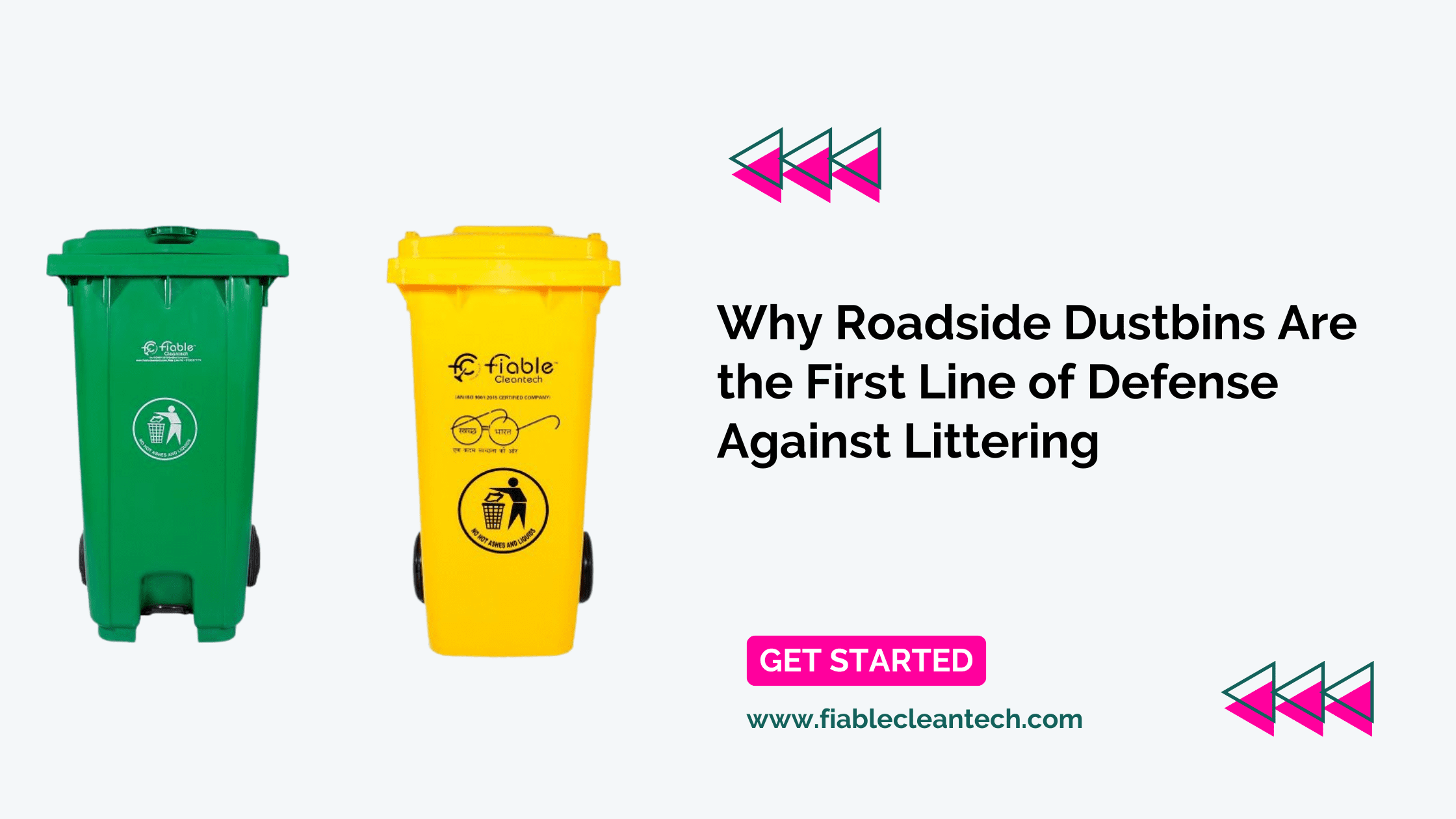
Roadside Dustbins are specially designed outdoor waste containers placed along roads, streets, parks, footpaths, commercial areas, and public spaces to collect waste generated by pedestrians and nearby activities.
These dustbins are built to withstand outdoor conditions such as sunlight, rain, dust, and continuous public usage. They are available in different sizes, materials, and designs to suit varying waste collection requirements.
Modern roadside dustbins are designed to be durable, easy to maintain, and highly visible so that people can easily locate and use them. Some models also support waste segregation by providing separate compartments for dry and wet waste.
Roadside dustbins are considered the first line of defense against littering because they provide immediate access to proper waste disposal facilities in public areas.
When waste bins are easily accessible, people are more likely to dispose of garbage responsibly rather than throwing it on roads or open spaces. This simple accessibility helps reduce litter accumulation significantly.
Roadside dustbins also support municipal cleaning operations by collecting waste in designated locations, making waste collection and transportation more organized and efficient.
Without roadside waste bins, public places can quickly become dirty and unhygienic due to unmanaged garbage disposal.
Public hygiene depends heavily on effective waste management systems. Open waste attracts insects, rodents, and stray animals, increasing the risk of disease spread and environmental contamination.
Roadside dustbins help contain waste properly and prevent garbage from scattering across public areas. Covered or enclosed bins also help reduce unpleasant odors and minimize exposure to harmful bacteria.
By promoting cleaner surroundings, roadside dustbins contribute to healthier living conditions for residents, visitors, and workers in urban areas.
Modern cities are increasingly focusing on cleanliness and sustainable urban development. Public waste bins play an important role in supporting these efforts.
Clean roadsides, parks, markets, and public transport areas create a positive impression and improve the overall appearance of a city. Organized waste disposal systems also encourage citizens to adopt cleaner habits and participate actively in maintaining public hygiene.
Roadside dustbins are especially important in high-footfall areas where waste generation is continuous throughout the day. Proper placement of bins ensures that waste can be disposed of immediately before it spreads into surrounding areas.
Littered waste contributes heavily to environmental pollution. Plastic waste, food wrappers, and disposable materials often end up in drains, rivers, lakes, and open spaces when proper disposal systems are not available.
Roadside dustbins help reduce environmental damage by ensuring that waste is collected systematically instead of being left exposed in public areas.
Proper waste collection also improves recycling opportunities because segregated waste can be processed more efficiently. This helps reduce landfill waste and supports environmentally responsible waste management practices.
Public cleanliness is not only the responsibility of municipal authorities but also of citizens. However, people are more likely to dispose of waste responsibly when proper facilities are available nearby.
Roadside dustbins encourage positive public behavior by making waste disposal simple and convenient. Clearly visible and strategically placed bins remind people to avoid littering and use designated waste collection points instead.
Over time, this helps build a stronger culture of cleanliness and environmental awareness within communities.
The effectiveness of roadside dustbins depends heavily on their placement. Bins should be installed in locations where waste generation is most common.
Public markets, bus stops, railway stations, parks, shopping areas, food stalls, sidewalks, and crowded roads are some of the most important locations for roadside dustbin placement.
Proper spacing between bins ensures easy accessibility without overcrowding public spaces. Visible positioning and clear labeling also improve usage rates and support organized waste collection systems.
Modern roadside dustbins are designed with practical features that improve durability and usability.
High-quality materials ensure long-lasting performance under outdoor conditions and regular public use.
Roadside bins are designed to withstand heat, rain, dust, and sunlight exposure.
Many models include lids that help control odors and prevent waste from spilling.
Roadside dustbins are available in different capacities suitable for various public waste collection needs.
Smooth surfaces and practical designs simplify cleaning and waste removal operations.
Some roadside bins include separate compartments for recyclable and non-recyclable waste.
Fiable Cleantech Limited provides durable and reliable roadside waste management solutions designed to support cleaner urban environments. The company offers high-quality roadside dustbins suitable for municipal areas, commercial spaces, residential societies, parks, educational institutions, and industrial zones.
Their products are designed to combine durability, hygiene, and operational efficiency while supporting modern waste management practices.
By offering dependable waste disposal infrastructure, Fiable Cleantech Limited contributes to cleaner streets, improved sanitation, and better public hygiene standards.
As cities continue to modernize, waste management infrastructure is becoming an important part of smart city development initiatives. Cleanliness, sustainability, and organized waste handling are now considered essential elements of urban planning.
Roadside dustbins support these goals by helping cities maintain cleaner roads and public spaces while reducing litter-related problems. In many urban projects, modern waste bins are now integrated with smart waste collection systems and sustainability programs.
The use of durable and strategically placed roadside bins helps cities improve operational efficiency while promoting cleaner public behavior.
Roadside dustbins are not limited to municipal roads alone. They are also widely used in residential societies, shopping complexes, business districts, and industrial areas.
In residential communities, roadside bins help maintain cleaner internal roads, parks, and shared spaces. In commercial areas, they support better waste disposal practices among customers, employees, and visitors.
Their presence improves sanitation standards while helping organizations maintain cleaner and more organized surroundings.
Proper maintenance is important to ensure the effectiveness of roadside dustbins. Bins should be emptied regularly to prevent overflow and maintain hygiene.
Routine cleaning helps reduce odor buildup and keeps the bins visually clean for public use. Damaged lids, wheels, or structures should also be repaired promptly to maintain operational efficiency.
Organized waste collection schedules improve the overall effectiveness of roadside waste management systems and prevent litter accumulation in surrounding areas.
The future of urban waste management will continue to focus on cleanliness, sustainability, and smart infrastructure. Advanced roadside dustbin designs with improved durability, waste segregation capabilities, and smart monitoring systems are becoming increasingly common.
However, the primary function of roadside dustbins will remain the same preventing littering and supporting cleaner public spaces.
As awareness about environmental responsibility continues to grow, roadside waste bins will remain one of the most important tools for promoting organized waste disposal and maintaining healthier cities.
Littering remains a major challenge for modern cities and public spaces, but effective waste disposal systems can significantly reduce its impact. Roadside Dustbins serve as the first line of defense against littering by providing accessible and organized waste collection points in public areas.
These dustbins help improve hygiene, reduce environmental pollution, support cleaner cities, and encourage responsible public behavior. Their role in maintaining sanitation and supporting efficient waste management systems is essential for modern urban development.
With durable waste management solutions from Fiable Cleantech Limited, cities, societies, and commercial areas can create cleaner, healthier, and more sustainable environments for everyone.
Roadside dustbins help prevent littering by providing accessible waste disposal points, keeping roads, parks, and public spaces cleaner and more hygienic.
They should be placed in high-footfall areas such as markets, bus stops, railway stations, parks, sidewalks, shopping areas, and residential societies.
Roadside dustbins prevent waste from spreading into drains, roads, rivers, and open spaces, supporting cleaner surroundings and better waste management practices.
A quality roadside dustbin should have durable construction, weather resistance, a covered lid, easy maintenance, and sufficient storage capacity for public waste collection.
Roadside dustbins improve urban cleanliness, support organized waste collection systems, encourage responsible public behavior, and contribute to sustainable and hygienic city environments.
Share with: