Have you ever noticed how different types of waste often end up in the same bin. A plastic bottle gets thrown together with food waste, paper mixes with wet garbage, and recyclable materials become difficult to recover. It may seem like a small issue, but when multiplied across offices, factories, residential communities, and public spaces, it creates a major waste management challenge.
With the introduction of new waste management expectations and stricter cleanliness standards in 2026, organizations are paying closer attention to how waste is collected and sorted. Proper segregation is no longer just a recommendation-it is becoming an essential part of responsible waste handling.
This is where choosing the Right Dustbin for Waste Segregation becomes important. Businesses, institutions, and municipalities are increasingly investing in organized waste collection systems to improve sanitation and support environmental goals.
Fiable Cleantech Limited continues to support these efforts by providing practical waste management solutions designed for modern sanitation requirements.
Why Waste Segregation Is Getting More Attention
The biggest challenge in waste management is not collection-it is separation.
When different types of waste are mixed together, it becomes difficult to recycle materials effectively. Mixed waste also increases processing costs and creates unnecessary environmental burden.
Proper segregation helps organizations:
Improve recycling efficiency
Reduce landfill waste
Maintain cleaner surroundings
Support environmental compliance
Create better waste handling systems
This is why segregation is becoming a key focus across industries.
Understanding the New Waste Management Approach
The focus of modern waste management is shifting from simple disposal to organized waste handling.
Instead of collecting all waste in one place, facilities are encouraged to separate waste at the source.
Common waste categories include:
Wet Waste
Food scraps and biodegradable materials.
Dry Waste
Paper, cardboard, and packaging materials.
Recyclable Waste
Plastic bottles, metal cans, and reusable materials.
General Waste
Items that cannot be recycled easily.
Proper sorting begins with having the right infrastructure in place.
Why the Right Bin Makes a Difference
Many organizations invest in waste collection systems but overlook one important detail-the type of bin being used.
Selecting the Right Dustbin for Waste Segregation helps users dispose of waste correctly from the beginning.
Benefits include:
Better Organization
Different waste streams remain separate.
Easier Recycling
Materials can be processed more efficiently.
Cleaner Spaces
Segregation reduces clutter and contamination.
Improved Awareness
Users become more conscious about waste disposal.
Even simple improvements in waste collection can create long-term benefits.
Traditional Collection vs Segregated Collection
Traditional Waste Collection
Segregated Waste Collection
Mixed waste disposal
Organized waste separation
Lower recycling efficiency
Better recycling opportunities
Higher contamination
Cleaner waste streams
More processing effort
Easier waste management
The difference may seem simple, but its impact is significant.
How Businesses Are Responding
Organizations today understand that waste management is directly connected to operational efficiency and environmental responsibility.
Many businesses are now implementing:
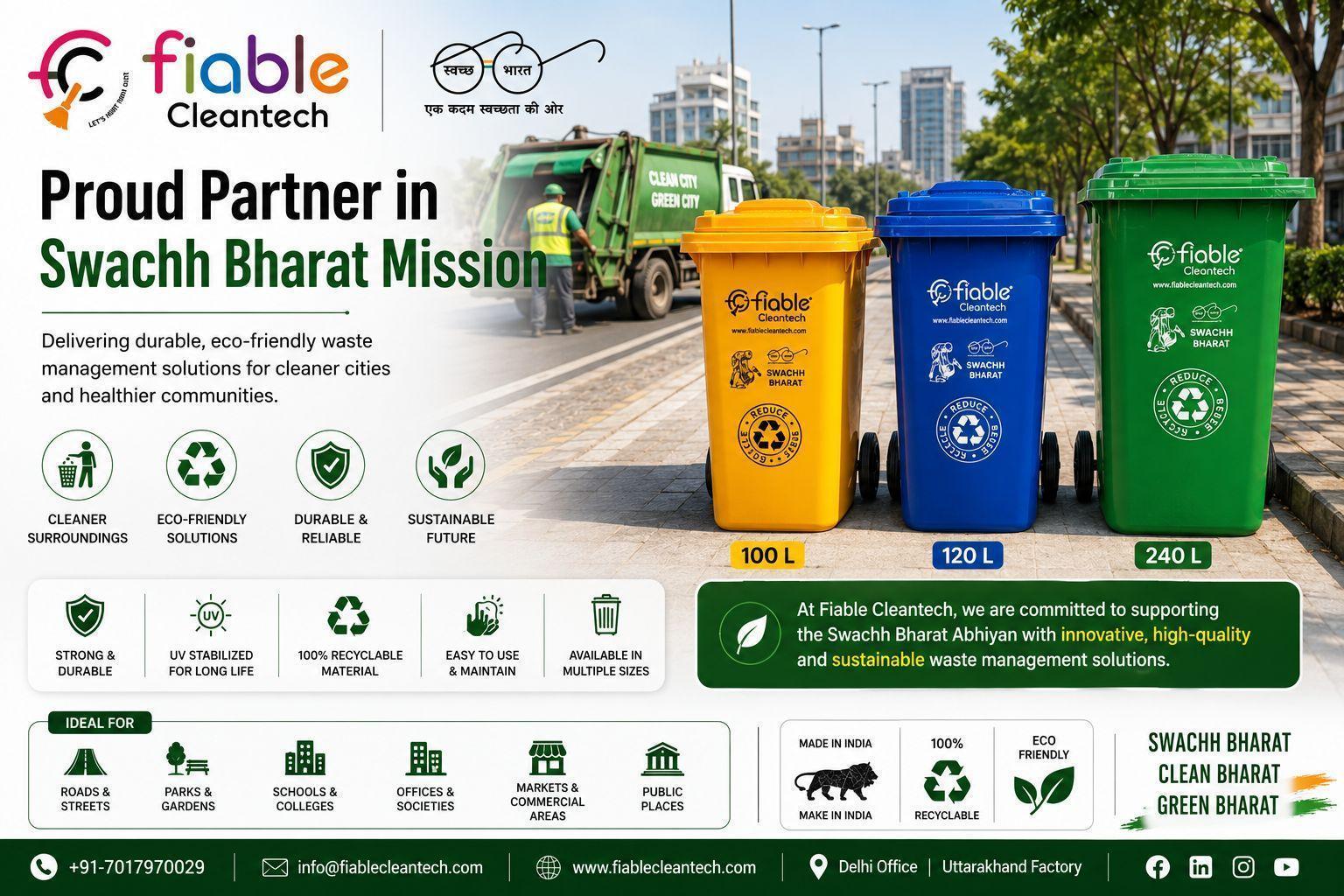
Color-coded waste bins
Dedicated collection zones
Employee awareness programs
Structured disposal systems
These improvements support better sanitation standards and cleaner workplaces.
During this transition, Fiable Cleantech Limited provides waste management solutions designed to help organizations maintain organized collection practices across commercial, industrial, and institutional environments.
Common Mistakes to Avoid
Even with good intentions, waste segregation programs often face challenges.
Some common mistakes include:
Using Similar-Looking Bins
Users may become confused about where waste belongs.
Lack of Labels
Clear identification is essential.
Insufficient Bin Placement
Convenient access encourages participation.
Poor Awareness
Employees and visitors should understand segregation guidelines.
Avoiding these mistakes improves results significantly.
The Environmental Impact of Better Segregation
Every properly sorted waste item contributes to a more sustainable waste management process.
Effective segregation helps:
Reduce landfill dependency
Improve recycling rates
Lower contamination levels
Support resource recovery
Create cleaner communities
These benefits extend far beyond individual facilities.
Why This Matters More in 2026
As waste generation continues to increase, organizations are under greater pressure to manage waste responsibly.
Modern sanitation expectations require more than simply collecting garbage. Businesses are expected to demonstrate responsible waste handling practices and support environmental goals.
The right waste collection infrastructure plays a critical role in achieving these objectives.
Organizations that invest in better segregation systems today will be better prepared for future sanitation and sustainability requirements.
Conclusion
Waste management begins long before waste reaches a processing facility. It starts at the point where someone decides where to throw an item away.
Choosing the right bins may seem like a small decision, but it has a major impact on cleanliness, recycling, and operational efficiency.
As businesses and institutions adapt to changing waste management expectations, Fiable Cleantech Limited continues to provide practical solutions that support cleaner and more organized environments.
Start building a smarter waste management system today and create a cleaner future through better waste segregation practices.
Waste segregation is the process of separating different types of waste, such as wet, dry, recyclable, and general waste. It improves recycling efficiency, reduces landfill waste, and supports cleaner environments.
Using the right dustbin for waste segregation helps keep waste categories separate, reduces contamination, and makes collection and recycling more efficient.
The most common categories include wet waste, dry waste, recyclable waste, and general waste. Separate bins for each category help maintain proper segregation.
New waste management guidelines and increasing environmental awareness are encouraging organizations to adopt better waste handling practices and improve sanitation standards.
Organizations should consider bin capacity, durability, color coding, clear labeling, ease of maintenance, and suitability for the type of waste being collected.