
October 14, 2025
No Comments
Effective waste management is a critical aspect of healthcare facilities. Hospitals generate large volumes of diverse waste, from general refuse to hazardous biomedical materials. Managing this waste safely not only protects patients, staff, and visitors but also ensures compliance with government regulations.
At Fiable Cleantech, we specialize in providing high-quality, durable, and hygienic dustbins designed specifically for hospitals, clinics, and healthcare institutions. Our products help streamline waste segregation and disposal while maintaining the highest hygiene standards.
In this blog, we will explore four essential types of dustbins used in hospitals, highlighting their features, applications, and benefits.
Fiable Cleantech has established itself as a trusted manufacturer and supplier of industrial and healthcare waste management solutions. Our dustbins are designed to:
With a wide range of products, Fiable Cleantech ensures hospitals can choose the right dustbin for every area from patient rooms to laboratories, cafeterias, and administrative sections.
Industrial Dustbin Manufacturer – Dehradun
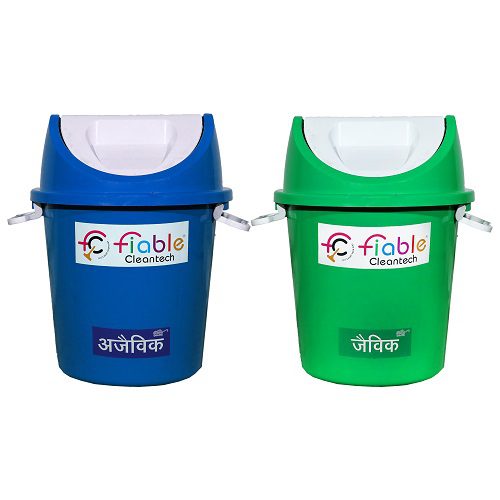
For hospitals with high foot traffic, large-capacity waste collection is essential. The Industrial Dustbin is designed to handle bulk general waste efficiently.
Key Features:
Applications:
Ideal for corridors, cafeterias, staff rooms, and administrative areas where large volumes of general waste are generated.
Patient rooms, clinics, and nursing stations require smaller, hands-free solutions. The 30-Liter Pedal Dustbin is compact, hygienic, and easy to use.

Key Features:
Applications:
Perfect for bedside use, consultation rooms, and smaller work areas.
50-Liter Dustbin Supplier in Dehradun

Hospitals have areas generating moderate amounts of waste, such as outpatient departments and laboratories. The 50-Liter Pedal Dustbin offers durability and hygienic handling for such zones.
Key Features:
Applications:
Ideal for outpatient areas, lab zones, and staff workspaces.

Biomedical waste segregation is critical in healthcare facilities. The 50-Litre T-4 Dustbin is designed with multiple compartments to separate different types of waste at the source.
Key Features:
Applications:
Perfect for nursing stations, laboratories, and high-traffic zones where mixed waste is generated.
Selecting the right dustbin depends on several factors:
Conclusion
Proper waste management is a cornerstone of safe and efficient hospital operations. Fiable Cleantech provides a complete range of dustbins tailored to the diverse needs of healthcare facilities, from large industrial bins to compact pedal bins and specialized segregated units.
By investing in the right dustbins, hospitals can improve hygiene, streamline waste management, and comply with regulations, ultimately creating a safer environment for patients and staff alike.
Explore our full range of hospital dustbins and choose the right solution for your facility today.
FAQ
Hospitals Typically Use Four Types Of Dustbins: Industrial Dustbins For Bulk Waste, 30-Litre Pedal Dustbins For Patient Rooms, 50-Litre Pedal Dustbins For Moderate Waste Areas, And 50-Litre T-4 Segregated Dustbins For Biomedical Waste Segregation
Color-Coding Helps In Proper Waste Segregation, Reducing Cross-Contamination Risks And Ensuring Compliance With Biomedical Waste Management Regulations. Each Color Represents A Specific Type Of Waste, Like General, Infectious, Or Hazardous
Pedal Dustbins Allow Hands-Free Operation, Minimizing Direct Contact With The Lid. This Helps Prevent The Spread Of Germs And Maintains A Hygienic Environment For Patients And Staff
For High-Traffic Zones Such As Corridors, Cafeterias, And Administrative Areas, Industrial Dustbins With Large Capacities (Like 240 Litres) Are Ideal. They Reduce The Need For Frequent Emptying And Are Durable For Heavy Use
Fiable Cleantech Dustbins Are Designed With Features Like Color-Coded Lids, Multiple Compartments, And Durable Materials That Meet Biomedical Waste Management Standards, Helping Hospitals Ensure Compliance And Maintain Hygiene
