January 1, 2026
No Comments
Waste management has become a priority for businesses, municipalities, and institutions across the country. Whether you run a hotel, manage a hospital, oversee a factory, or handle procurement for a housing society, choosing the right dustbins matters more than you might think.
PVC dustbins have earned their place as the preferred choice for bulk buyers. They offer durability, affordability, and versatility that other materials struggle to match. However, buying in bulk comes with its own set of challenges. A wrong decision can leave you with products that don’t fit your needs, crack within months, or fail to meet regulatory standards.
This guide walks you through the ten most important factors you should evaluate before placing a bulk order for PVC dustbins. By the end, you will have a clear framework to make a confident purchasing decision.
Not all PVC is created equal. The quality of raw material directly affects how long your dustbins will last and how well they will perform under daily use.
High-grade virgin PVC offers superior strength and resistance to cracking. Some manufacturers mix recycled plastic to cut costs, which can compromise durability. While recycled content works fine for certain applications, heavy-duty environments demand better material.
Ask your supplier these questions:
A reliable pvc dustbin manufacturer will happily share this information. If they hesitate, consider it a warning sign.
Dustbins come in various sizes, typically measured in liters. Choosing the wrong capacity leads to either frequent overflow or wasted space and money.
Think about where these bins will go and what kind of waste they will handle. A small office pantry needs something different than a hospital corridor or a factory floor.
Common capacity options include:
Calculate your daily waste generation before deciding. It helps to order a mix of sizes rather than sticking to just one.
The lid does more than cover the bin. It controls odor, keeps pests away, and determines how users interact with the dustbin.
Different settings call for different lid styles. Hospitals need foot-pedal operated bins for hygiene. Restaurants might prefer swing lids for quick disposal. Outdoor bins require secure locking mechanisms to prevent animals from accessing waste.
Popular lid options include:
Match the lid type to your environment. The wrong choice creates inconvenience and hygiene issues.
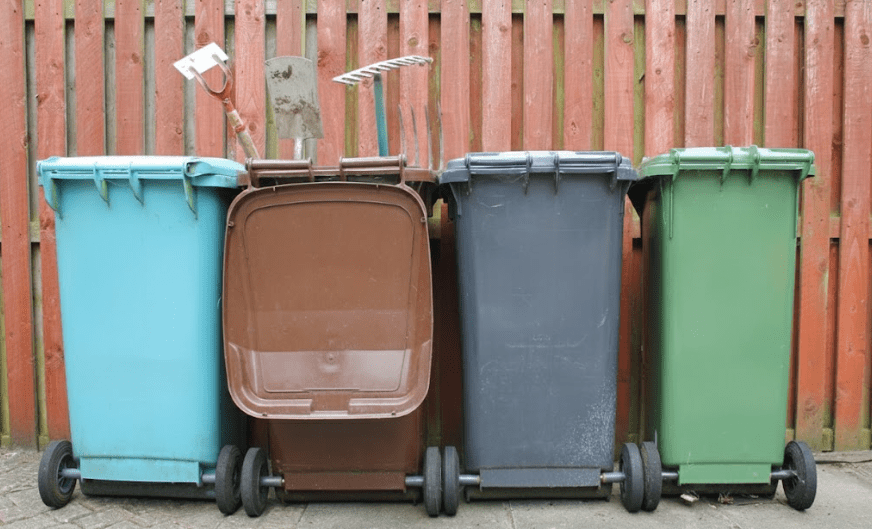
Waste segregation rules have become stricter across industries. Color-coded dustbins help users separate dry waste, wet waste, recyclables, and hazardous materials without confusion.
Standard color codes vary slightly by industry and region, but common conventions exist. Green typically indicates biodegradable waste. Blue works for recyclables. Red signals hazardous or biomedical waste. Black or grey covers general non-recyclable waste.
Benefits of proper color coding:
When ordering in bulk, specify the exact color requirements. A good manufacturer offers multiple color options and can guide you on industry-specific standards.
PVC dustbins face daily abuse. People throw heavy items, drag bins across floors, and leave them exposed to sun and rain. Your bins need to handle all of this without cracking, fading, or warping.
UV resistance matters especially for outdoor bins. Prolonged sun exposure breaks down plastic over time, causing brittleness and discoloration. Look for UV-stabilized PVC that maintains its integrity across seasons.
Durability factors to check:
Request samples before placing large orders. Test them under real conditions if possible.
Different industries have specific requirements for waste containers. Hospitals must follow biomedical waste management rules. Food businesses need bins that meet hygiene standards. Municipalities require containers that work with their collection systems.
Buying non-compliant bins creates legal headaches and operational problems. Your supplier should understand these standards and provide products that meet them.
Key compliance areas include:
Ask for compliance documentation upfront. Reputable manufacturers maintain proper certifications and share them readily.
Bulk buyers often need more than standard products. You might want your company logo printed on the bins, specific dimensions for tight spaces, or unique features for specialized applications.
Many manufacturers offer customization services for bulk orders. Printing, embossing, custom colors, and modified designs become possible when you order sufficient quantities.
Common customization requests:
Discuss customization early in the process. It affects pricing, lead times, and minimum order quantities.
Price per unit matters, but it shouldn’t be your only consideration. The cheapest option often costs more in the long run through replacements, repairs, and operational inefficiency.
Think about total cost of ownership. A slightly more expensive bin that lasts five years beats a cheap one that cracks in six months.
Factors affecting total cost:
Get quotes from multiple suppliers. Compare not just prices but also what you get for that price.
| Factor | Budget Option | Standard Option | Premium Option |
| Material Grade | Recycled PVC blend | Virgin and recycled mix | 100% virgin PVC |
| Wall Thickness | 2-3 mm | 3-4 mm | 4-5 mm |
| UV Resistance | Basic | Moderate | High UV stabilization |
| Expected Lifespan | 1-2 years | 3-4 years | 5+ years |
| Lid Options | Basic open or swing | Multiple options | Full range with foot-pedal |
| Customization | Limited | Moderate | Extensive |
| Certification | Basic compliance | Standard certifications | Full documentation |
| Best For | Indoor, light use | General commercial | Outdoor, heavy-duty |
Use this table as a starting point for your evaluation. Your specific needs will determine which option makes most sense.
The company behind the product matters as much as the product itself. A manufacturer with strong industry presence and positive track record gives you confidence in your purchase.
Look beyond marketing claims. Check how long they have operated in the market. Ask for client references in your industry. Read reviews and testimonials where available.
Signs of a reliable manufacturer:
After-sales support becomes crucial when issues arise. Know who to contact and what process to follow before problems happen.
Bulk orders involve significant logistics. Minimum order quantities determine whether a supplier fits your needs. Delivery timelines affect your project schedules. Shipping costs impact your budget.
Clarify all logistics details before confirming orders. Misunderstandings here cause delays and frustration.
Logistics questions to address:
Get everything in writing. Clear agreements prevent disputes later.
Buying PVC dustbins in bulk requires more thought than simply picking the cheapest option from a catalog. Each factor we discussed connects to your long-term satisfaction with the purchase.
Start by understanding your specific requirements. Match those requirements against what different suppliers offer. Don’t hesitate to ask questions, request samples, and negotiate terms. A good manufacturer welcomes engaged buyers and works with them to find the right solution.
Take your time with this decision. The dustbins you choose will serve your facility for years. Getting it right the first time saves money, reduces hassle, and keeps your waste management running smoothly.
What makes PVC better than other materials for dustbins?
PVC offers an excellent balance of durability, cost, and versatility. It resists moisture, handles temperature variations well, and costs less than metal alternatives. Unlike some plastics, high-quality PVC maintains its shape and color over years of use.
How do I calculate how many dustbins I need for my facility?
Estimate your daily waste generation in each area. Consider how often bins will be emptied. A general rule suggests one 60-liter bin for every 20-25 people in office environments. High-waste areas like cafeterias and production floors need more capacity.
Can I order different sizes and colors in the same bulk order?
Most manufacturers accommodate mixed orders as long as you meet their minimum quantity requirements. Discuss your specific combination needs upfront to confirm feasibility and pricing.
What warranty should I expect on PVC dustbins?
Warranty terms vary by manufacturer and product grade. Standard products typically carry 1-2 year warranties against manufacturing defects. Premium products may offer longer coverage. Always get warranty terms in writing.
How do I verify that a manufacturer uses quality materials?
Ask for material test certificates and compliance documentation. Request samples for physical inspection. Check if they have IS certification or other relevant quality marks. Factory visits, where possible, provide additional confidence.
What is the typical MOQ for bulk PVC dustbin orders?
Minimum order quantities vary widely. Some manufacturers accept orders of 50-100 pieces for standard products. Custom orders usually require larger quantities, often 500 pieces or more. Always confirm MOQ before detailed negotiations.