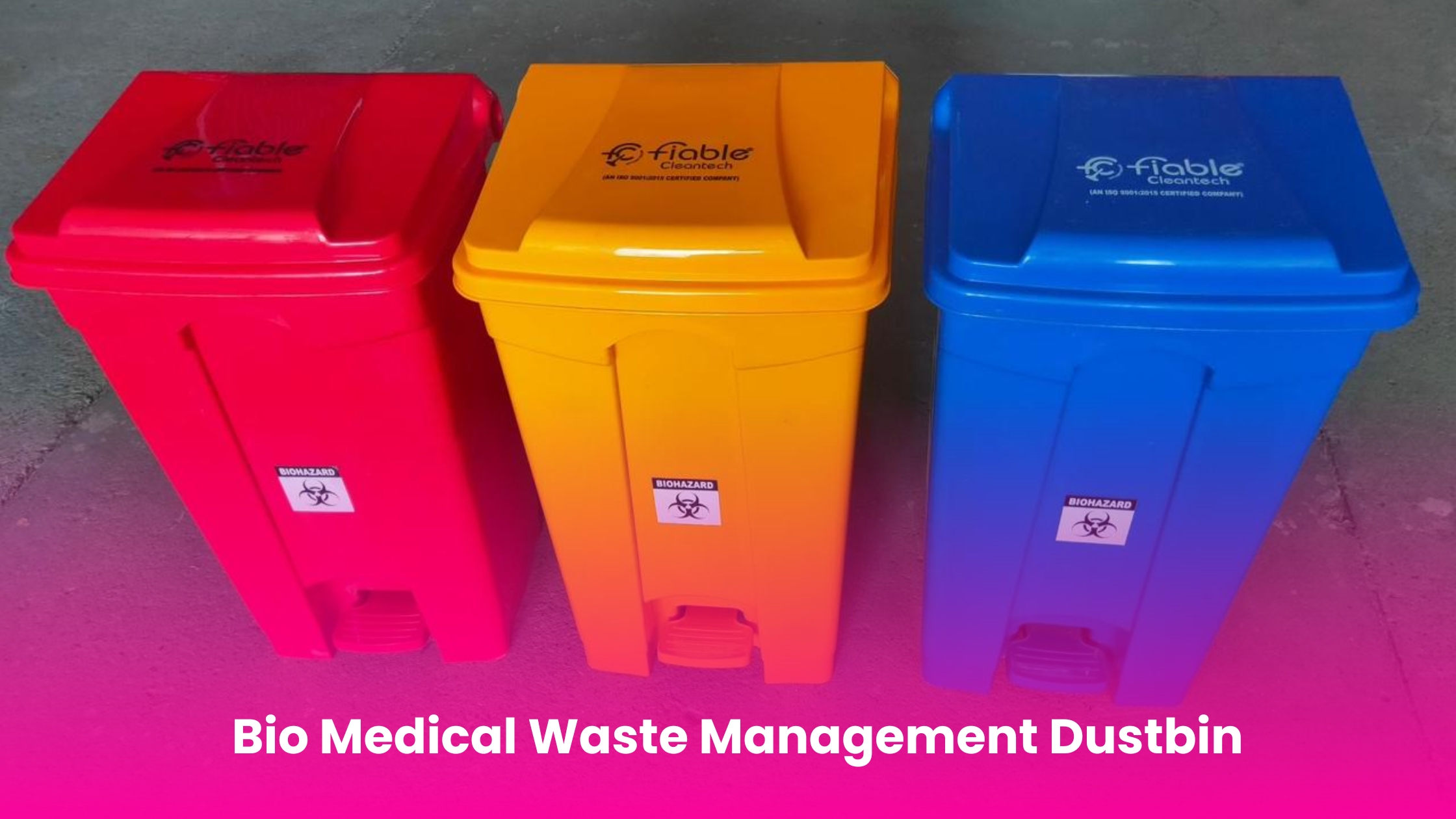
Healthcare facilities generate a wide range of waste every day. From used syringes and gloves to soiled dressings and laboratory waste, these materials can pose serious risks to human health and the environment if not handled correctly. This is where a bio medical waste management dustbin plays a vital role. It is not just a container, but a critical tool in infection control, regulatory compliance, and public safety.
In this blog, we will explore what a bio medical waste management dustbin is, how it works, why it is important, its types, color coding system, usage guidelines, and the risks of improper disposal. This detailed guide is designed to help hospitals, clinics, laboratories, and healthcare administrators make informed decisions.
What Is a Bio Medical Waste Management Dustbin?
A bio medical waste management dustbin is a specially designed container used for the safe collection, segregation, storage, and disposal of biomedical waste generated in healthcare settings. Unlike regular waste bins, these dustbins are manufactured to meet strict hygiene and safety standards.
Biomedical waste includes any waste generated during diagnosis, treatment, immunization, or research activities related to humans or animals. Because such waste may contain infectious, toxic, or sharp materials, it requires controlled handling.
These dustbins are usually made from high-quality plastic, are leak-proof, corrosion-resistant, and easy to clean. They are also color-coded to ensure proper waste segregation at the source.
Why Biomedical Waste Requires Special Management
Biomedical waste is fundamentally different from household or commercial waste. It often contains:
- Infectious microorganisms
- Human tissues and body fluids
- Used needles and sharps
- Pharmaceutical residues
- Chemical and laboratory waste
If this waste is mixed with general waste or disposed of incorrectly, it can lead to the spread of infections such as hepatitis B, hepatitis C, HIV, and other communicable diseases. Environmental contamination of soil and water sources is another major concern.
A bio medical waste dustbin ensures that hazardous waste is separated at the point of generation, reducing risks for healthcare workers, sanitation staff, patients, and the general public.
Importance of a Bio Medical Waste Management Dustbin
1. Prevents the Spread of Infections
Proper segregation and containment of biomedical waste reduce direct contact with infectious materials. When waste is disposed of in the correct bio medical waste management dustbin, the chances of needle-stick injuries and cross-contamination are significantly reduced.
2. Ensures Legal and Regulatory Compliance
Biomedical waste management rules mandate proper disposal systems in healthcare facilities. Using standardized dustbins helps hospitals and clinics comply with government regulations and avoid penalties or legal issues.
3. Protects Healthcare Workers and Sanitation Staff
Doctors, nurses, housekeeping staff, and waste handlers are at high risk if waste is not disposed of properly. A well-designed bio medical waste dustbin minimizes exposure and makes handling safer.
4. Reduces Environmental Pollution
Improper disposal can contaminate landfills, water bodies, and air. Segregated waste can be treated, recycled, or disposed of safely, reducing the environmental footprint of healthcare activities.
5. Improves Hospital Hygiene and Reputation
Clean and well-organized waste disposal systems enhance the overall hygiene of a healthcare facility. This not only improves patient trust but also reflects professionalism and responsibility.
Types of Bio Medical Waste Management Dustbins
Bio medical waste management dustbins are categorized based on the type of waste they are meant to collect. The most common classification follows a color-coding system, which is similar to the types of dustbins used in hospitals for safe and compliant waste segregation.
Yellow Dustbin
Used for infectious and pathological waste such as:
- Human and animal anatomical waste
- Soiled dressings, cotton, and bandages
- Expired or discarded medicines
These wastes are typically treated through incineration.
Red Dustbin
Used for contaminated recyclable waste such as:
- Tubing
- IV sets
- Catheters
- Gloves
These items are usually disinfected and recycled.
White or Translucent Dustbin
Used for sharps including:
- Needles
- Syringes with fixed needles
- Blades
These dustbins are puncture-proof and prevent needle-stick injuries.
Blue Dustbin
Used for:
- Glassware
- Broken vials and ampoules
- Metallic body implants
Proper segregation ensures safe recycling or disposal.
Where Are Bio Medical Waste Management Dustbins Used?
A bio medical waste dustbin is essential in multiple healthcare and research environments, including:
- Hospitals and nursing homes
- Clinics and diagnostic centers
- Laboratories and blood banks
- Veterinary hospitals
- Research institutions
- Medical colleges
- Vaccination and immunization centers
Each department within a facility may require multiple dustbins placed at strategic points for easy access and correct disposal.
Key Features of a Good Bio Medical Waste Management Dustbin
When selecting a dustbin, certain features are crucial for safety and efficiency:
- Durable material resistant to chemicals and impact
- Leak-proof design to prevent fluid spillage
- Foot-operated lids to avoid hand contact
- Smooth inner surface for easy cleaning
- Clear labeling and color coding
- Compliance with biomedical waste rules
Choosing the right dustbin ensures long-term usability and compliance.
Role of Dustbin Manufacturers in India
The quality and effectiveness of biomedical waste disposal largely depend on the standards followed during manufacturing. Reliable dustbin manufacturers in India focus on regulatory compliance, material quality, ergonomic design, and long-term durability to meet the needs of healthcare facilities across different scales.
Consequences of Improper Biomedical Waste Disposal
Failing to use a bio medical waste management dustbin correctly can lead to serious consequences:
- Increased hospital-acquired infections
- Risk of disease transmission to waste handlers
- Environmental damage
- Legal penalties and loss of license
- Damage to institutional reputation
Proper waste management is not optional; it is a responsibility.
Best Practices for Using Bio Medical Waste Management Dustbins
- Place dustbins at the point of waste generation
- Train staff on waste segregation rules
- Never overfill dustbins
- Use liners or bags as per color coding
- Ensure regular collection and disposal
- Clean and disinfect dustbins frequently
Consistency in these practices ensures safety and compliance.
Conclusion
A bio medical waste management dustbin is a cornerstone of safe and responsible healthcare operations. It protects people, preserves the environment, and ensures compliance with biomedical waste regulations. Investing in the right waste management system is not just about meeting legal requirements, but about demonstrating commitment to public health and safety.
Healthcare facilities looking for reliable and compliant waste solutions can trust Fiable Cleantech Limited to support cleaner, safer, and more efficient biomedical waste management practices.