
January 1, 2026
No Comments
Choosing the right dustbin size seems simple until you actually face the decision. Go too small, and waste overflows before the day ends. Go too large, and you waste money, space, and create unnecessary handling challenges.
Size matters more than most buyers realize. The right dustbin fits your space, matches your waste generation rate, and makes collection efficient. The wrong size creates daily frustrations that compound over months and years.
Every environment has unique requirements. A hospital corridor needs different capacity than a hotel room. A factory floor demands more volume than a small office. Understanding these differences helps you invest wisely.
This guide breaks down six common dustbin sizes and explains exactly where each performs best. Whether you manage a commercial facility, run a healthcare institution, or handle procurement for a residential complex, this information will help you choose the best dustbin company.
Manufacturers measure dustbin capacity in liters. This measurement tells you how much waste the bin can hold before requiring emptying. However, practical capacity often differs from stated capacity. You should never fill a bin completely to the brim.
A good rule suggests filling bins only to 80% capacity. This leaves room for the lid to close properly and prevents spillage during handling. Keep this in mind when calculating your requirements.
Weight also matters alongside volume. Larger bins hold more waste, but someone needs to lift or move them during collection. Balance capacity needs against handling practicality for your specific situation.
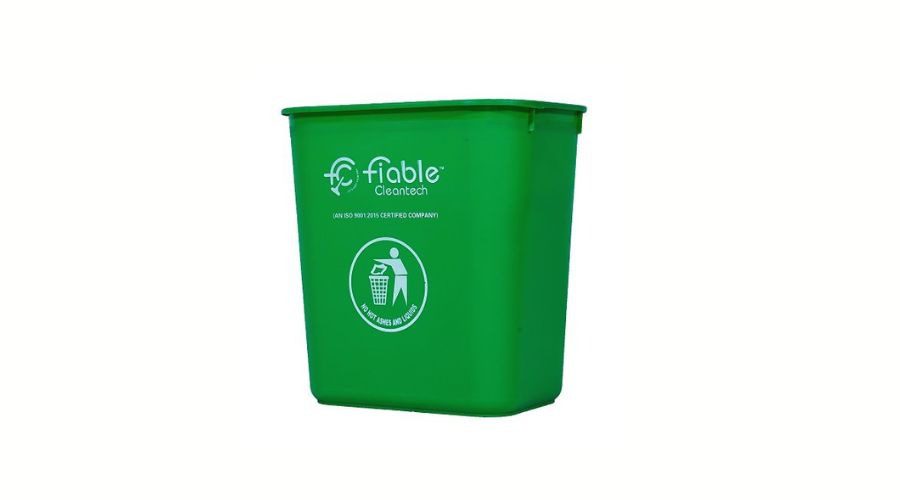
The smallest category serves personal and desk-side applications. These compact bins fit under desks, beside workstations, and in tight corners where space comes at a premium.
Best Applications:
These bins handle light waste from one or two people. Paper, tissues, small packaging, and similar dry waste fills them over a workday. Most facilities empty these daily, though low-traffic spots might stretch to alternate days.
Advantages of this size:
Limitations to consider:
Hotels typically place one 10-15 liter bin in each guest room. Offices position them at every workstation or shared between two adjacent desks. The key lies in matching placement density to actual usage patterns.
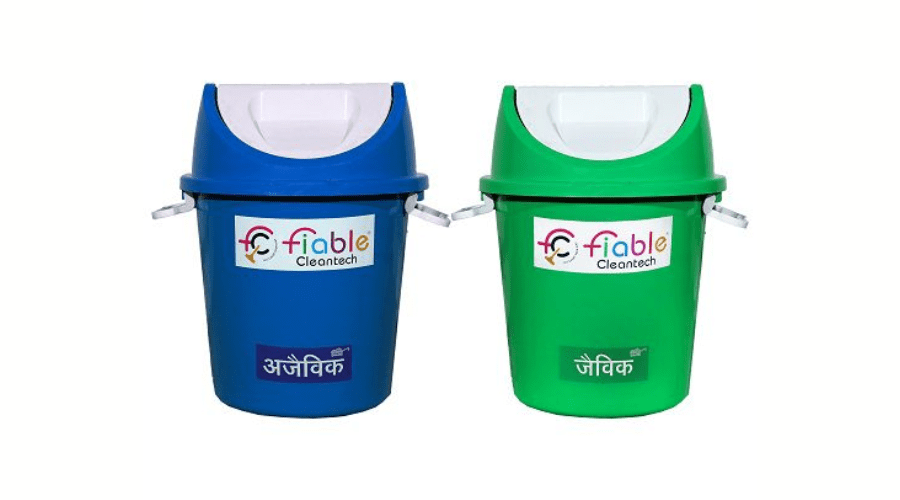
This mid-small category bridges personal and shared use. These bins work well in areas where a few people generate moderate waste throughout the day.
Best Applications:
A 20-30 liter bin handles waste from three to five people comfortably. It offers enough capacity to avoid constant emptying while remaining easy to manage.
Advantages of this size:
Limitations to consider:
Many facilities use this size for secondary collection points. Staff empty smaller desk-side bins into these, which then get collected by housekeeping or cleaning crews. This two-tier system reduces collection rounds while keeping workspaces tidy.
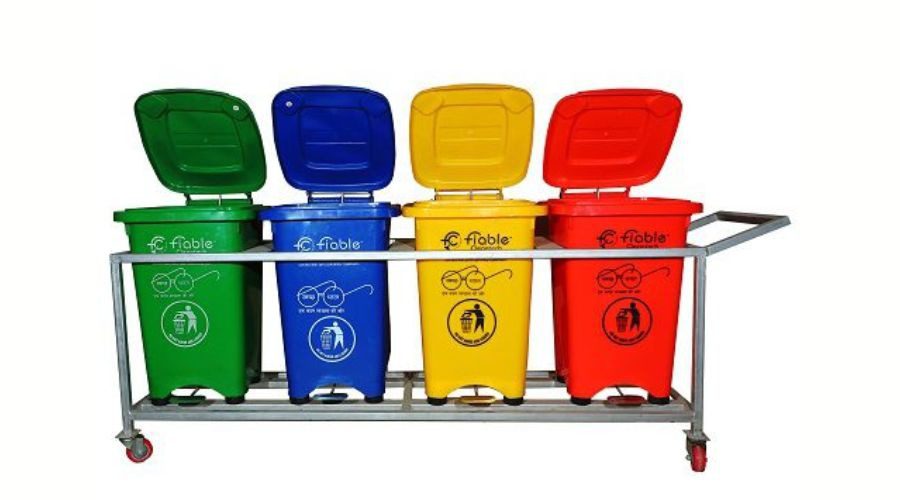
This category represents the workhorse of commercial waste management. Medium-capacity bins appear in countless settings where groups of people share collection points.
Best Applications:
A 40-60 liter bin serves approximately 15-25 people depending on waste type and generation rate. Offices typically empty these once daily. High-traffic public areas might need twice-daily collection.
Advantages of this size:
Limitations to consider:
This size dominates commercial interiors. Walk through any mall, hospital, or office building, and you will spot 40-60 liter bins at regular intervals. Their popularity stems from hitting the sweet spot between capacity and practicality.
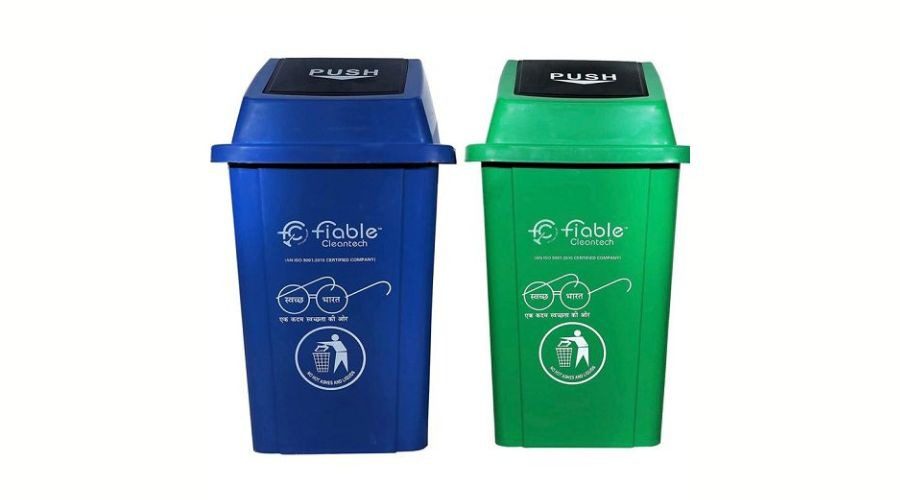
Large-capacity bins step up to handle significant waste volumes. These serve high-traffic areas and locations where waste generation runs heavy.
Best Applications:
An 80-100 liter bin manages waste from 30-50 people or handles concentrated waste from food service operations. Cafeterias and food courts rely heavily on this category.
Advantages of this size:
Limitations to consider:
Facilities often position these sizes at exits of high-waste zones. Diners clear their trays into these bins. Event attendees dispose of plates and cups here. The extra capacity prevents overflow during peak usage periods.
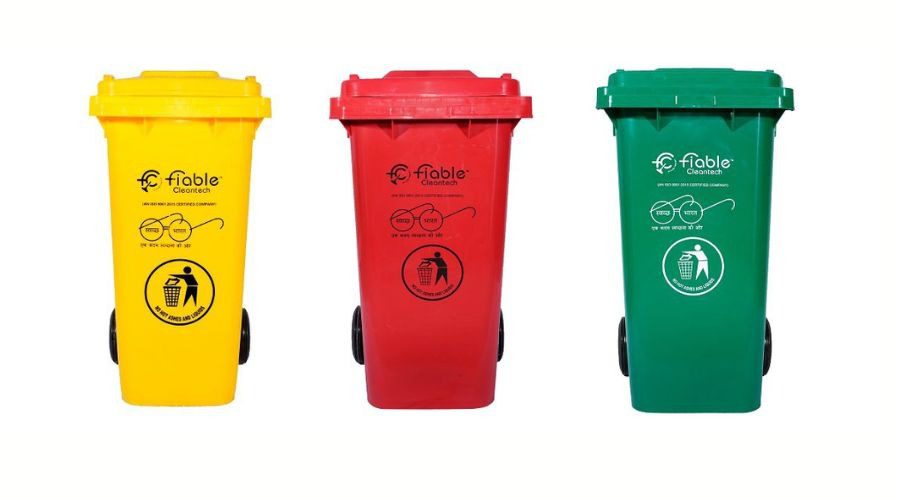
Heavy-duty bins enter industrial territory. These large containers serve facilities with serious waste management requirements and proper handling infrastructure.
Best Applications:
A 120-180 liter bin acts as a collection hub rather than a point-of-disposal bin. Smaller bins feed into these. Cleaning crews consolidate waste here before final disposal.
Advantages of this size:
Limitations to consider:
Factories position these bins at strategic points along production lines. Workers dispose of packaging, scrap, and waste materials throughout shifts. A single collection round at shift end clears everything efficiently.
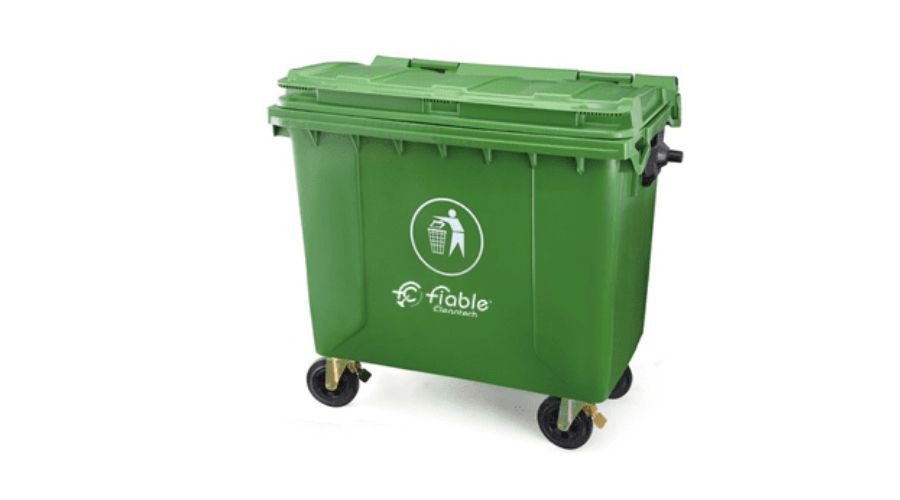
The largest category serves municipal collection and industrial disposal. These massive containers require mechanical handling and integrate with waste collection vehicle systems.
Best Applications:
These bins don’t serve individual users. They function as intermediate storage between point-of-generation bins and final disposal trucks. Waste accumulates here over days before scheduled collection.
Advantages of this size:
Limitations to consider:
Housing societies place 240-liter bins at designated collection points. Municipalities use 660-liter bins for public waste collection. These integrate with the broader waste management infrastructure of cities and towns.
| Size Category | Capacity | Users Served | Emptying Frequency | Best Environment | Handling Method |
| Extra Small | 10-15 L | 1-2 people | Daily | Desk-side, hotel rooms | Single hand lift |
| Small | 20-30 L | 3-5 people | Daily | Pantries, clinics | Single person lift |
| Medium | 40-60 L | 15-25 people | Daily | Common areas, lobbies | Single person or dolly |
| Large | 80-100 L | 30-50 people | Daily or twice daily | Cafeterias, factories | Two person or wheeled |
| Heavy Duty | 120-180 L | Collection hub | Daily | Industrial, hospitals | Wheeled, mechanical assist |
| Municipal | 240-660 L | Facility-wide | Weekly or bi-weekly | Outdoor collection points | Mechanical lifting only |
Selecting appropriate sizes requires honest assessment of your situation. Follow these steps for accurate sizing.
Track how much waste each area produces daily. Weigh bags or count how often current bins overflow. Real data beats guesswork every time.
Identify where people generate waste and where bins can practically go. Consider traffic flow, accessibility, and visual impact.
Determine how often your team can realistically empty bins. More frequent collection allows smaller bins. Less frequent collection demands larger capacity.
Wet waste weighs more and fills bins faster than dry waste. Food service areas need more capacity than office spaces generating mostly paper.
Multiple waste streams mean multiple bins at each point. Three segregated 40-liter bins take more space than one 120-liter mixed waste bin. Plan accordingly.
Mix and match sizes across your facility. Most operations need several categories working together as a system rather than one size everywhere.
Different areas have different needs. A one-size-fits-all approach creates problems everywhere.
Normal days differ from busy days. Size for peak generation, not average days.
A 100-liter bin makes no sense if your cleaning staff cannot safely lift it when full.
Facilities expand. Staff increases. Size with some buffer for future growth.
Waste segregation rules continue tightening. Plan for multiple bins where regulations require separation.
Q. How do I calculate daily waste generation for my facility?
Collect all waste for three to five typical days. Weigh the total and divide by number of days. This gives your daily average. For volume, note how many standard bags you fill daily and check bag capacity ratings.
Q. Can I mix different sizes in bulk orders?
Most manufacturers accommodate mixed orders. Discuss your specific combination requirements when requesting quotes. Minimum quantities may apply to each size within the mix.
Q. What size works best for outdoor use?
Outdoor bins typically range from 80 liters for park pathways to 240+ liters for street collection. Weather resistance and secure lids matter more than exact size for outdoor applications.
Q. Should I choose larger bins to reduce emptying frequency?
Larger bins reduce collection rounds but create handling challenges when full. They also allow waste to sit longer, potentially causing odor issues. Balance capacity against practical management.
Q. How do waste segregation requirements affect size selection?
Segregation means multiple bins at each point. Three 40-liter segregated bins replace one 120-liter mixed bin. Plan your space and budget for multiple units where segregation rules apply.
Q. What size do hospitals typically need?
Hospitals use multiple sizes. Patient rooms get 10-15 liter bins. Nurse stations use 40-60 liters. Utility rooms need 80-120 liters. Biomedical waste staging requires 120-180 liter specialized containers.
Q. Do larger bins cost proportionally more?
Larger bins cost more per unit but less per liter of capacity. A 100-liter bin costs less than two 50-liter bins while providing equal capacity. Factor in total cost of ownership including handling and liner costs.
The right dustbin size aligns capacity with your actual waste generation patterns. It fits your available space without crowding. It matches your collection frequency and handling capabilities.
Start by understanding your specific situation. Measure waste, map locations, and plan collection schedules. Then match sizes to each area based on these real requirements.
A thoughtful sizing strategy saves money, improves efficiency, and keeps your facility clean. Take time to get this right, and your waste management system will run smoothly for years.
